ADVERTISEMENT
triangulation fraud vv1

How to Spot and Avoid Triangulation Fraud

In the digital age, online shopping has become a norm. Yet, with its convenience comes a dark side: fraud.

One such deceptive practice is triangulation fraud. This complex scheme involves three parties and can lead to significant financial loss.

Understanding triangulation fraud is crucial for both consumers and businesses. It helps in recognizing the signs and taking preventative measures.
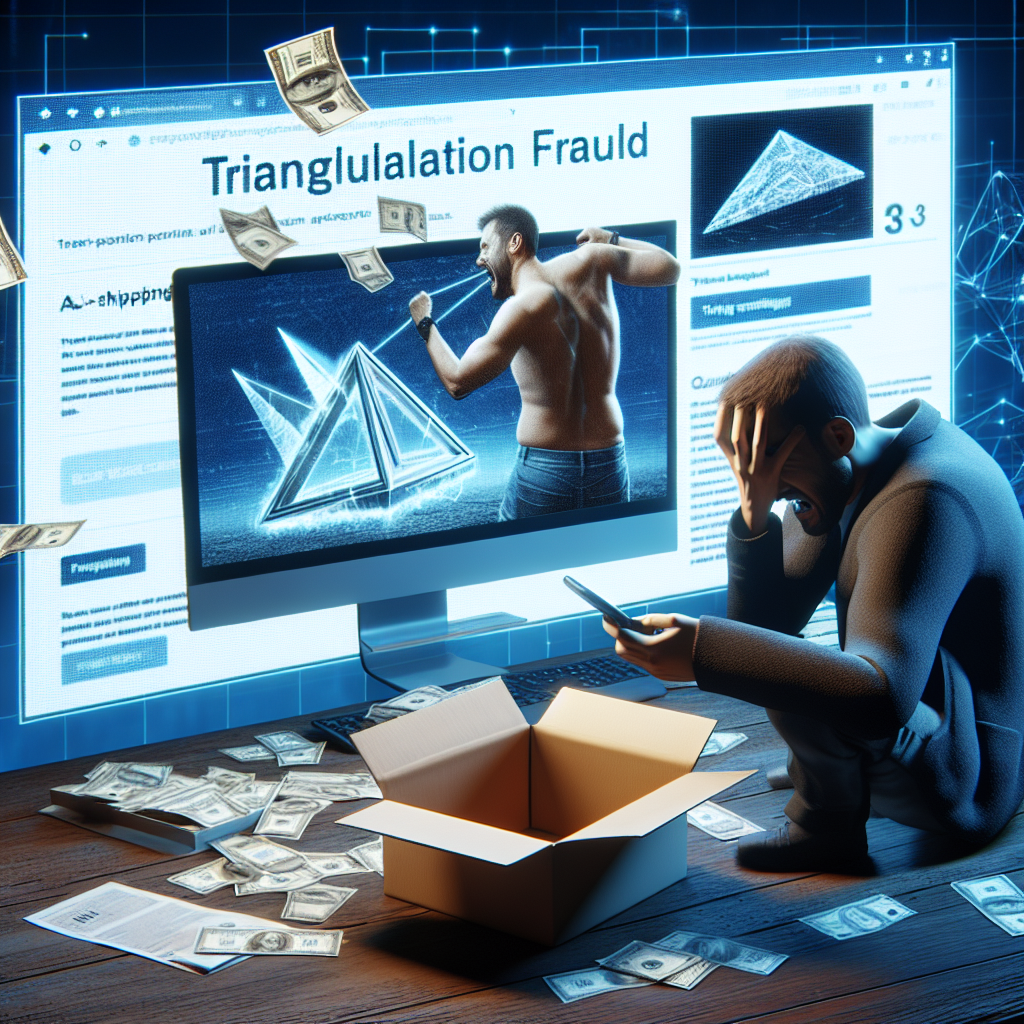

triangulation fraud, fraud prevention, fraud detection, the red flags and tactics to spot and avoid triangulation fraud, protecting your finances and peace of mind One such deceptive practice is triangulation fraud. This complex scheme involves three parties and can lead to significant financial loss.


In this article, we delve into the mechanics of triangulation fraud. We'll explore its impact on victims and provide tips for detection and prevention.


Whether you're an online shopper, an e-commerce business owner, or a security professional, this guide will equip you with the knowledge to stay one step ahead of fraudsters.

Let's demystify triangulation fraud and learn how to safeguard against it.


Understanding Triangulation Fraud

Triangulation fraud is a sophisticated form of online fraud. It involves three parties: the fraudster, the unsuspecting consumer, and the online retailer.

The fraudster sets up a fake online storefront, offering high-demand products at unbeatable prices. The consumer, lured by the attractive deal, makes a purchase.

The fraudster then uses stolen credit card information to buy the same product from a legitimate online retailer. The product is shipped directly to the consumer, completing the 'triangle'.

The key elements of triangulation fraud include:

  • A fake online storefront set up by the fraudster
  • An unsuspecting consumer who makes a purchase
  • A legitimate online retailer from whom the product is bought using stolen credit card information

The consumer believes they've scored a great deal. The legitimate retailer believes they've made a valid sale. In reality, the fraudster walks away with the consumer's money, leaving a trail of victims in their wake.

Understanding this scheme is the first step in recognizing and preventing triangulation fraud. It's a deceptive practice that can have serious financial and legal implications for all parties involved.


The Mechanics of Triangulation Fraud

The process of triangulation fraud begins with the fraudster setting up a fake online storefront. This storefront often mimics a legitimate online marketplace, making it difficult for consumers to spot the deception.

Next, the fraudster lists popular products at prices significantly lower than market rates. These attractive deals lure unsuspecting consumers into making a purchase.

Once the consumer places an order, the fraudster uses stolen credit card information to buy the same product from a legitimate online retailer. The product is then shipped directly to the consumer, not the fraudster.


The consumer receives the product, believing it came from the online storefront where they placed the order. Meanwhile, the fraudster pockets the money paid by the consumer, leaving the owner of the stolen credit card to dispute the fraudulent charges.

This intricate scheme makes triangulation fraud a complex and challenging form of online fraud to detect and prevent.


In this article, we delve into the mechanics of triangulation fraud. We'll explore its impact on victims and provide tips for detection and prevention.


Recognizing the Signs of Triangulation Fraud

Recognizing the signs of triangulation fraud can be challenging due to its deceptive nature. However, there are certain red flags that can indicate a potential fraud scenario.

One common sign is the presence of deals that seem too good to be true. If a product is listed at a significantly lower price than on other platforms, it could be a sign of triangulation fraud.


Another indicator is the lack of seller information or a physical address. Legitimate online retailers usually provide detailed contact information and a physical address.

Consumers should also be wary of sellers who insist on specific payment methods, especially those that lack buyer protection. This could be a tactic to prevent chargebacks or disputes.


Here are some signs to look out for:

  • Deals that seem too good to be true
  • Lack of seller information or physical address
  • Insistence on specific payment methods
  • Poorly written product descriptions or seller communications
  • Unusual shipping and delivery arrangements

By being aware of these signs, consumers can better protect themselves against triangulation fraud.


The Impact of Triangulation Fraud on Victims

Triangulation fraud can have severe consequences for its victims. The most immediate impact is financial loss. Victims may pay for a product that they never receive, or they may receive a product that is significantly different from what was advertised.

In addition to financial loss, victims of triangulation fraud may also become victims of identity theft. Fraudsters often use stolen credit card information to carry out their schemes, which can lead to further financial damage and a long recovery process.

The psychological impact of being a fraud victim should not be underestimated either. It can lead to stress, anxiety, and a loss of trust in online shopping platforms.

Preventative Measures for Consumers

Consumers can take several steps to protect themselves from triangulation fraud. The first line of defense is to verify the legitimacy of online sellers and marketplaces. Be wary of deals that seem too good to be true, as they often are.

Another important measure is to use secure payment methods. Credit cards often offer fraud protection, making them a safer choice than direct bank transfers or cash payments.


Here are a few more tips for consumers:

  • Always read and understand online reviews and ratings.
  • Verify the physical address and contact information of online sellers.
  • Regularly check your account statements for unauthorized transactions.
  • Avoid using public Wi-Fi for online shopping.
  • Create strong, unique passwords for your online accounts.

Strategies for Businesses to Combat Triangulation Fraud

Businesses, particularly those in the e-commerce sector, are prime targets for triangulation fraud. Therefore, it's crucial to implement robust fraud prevention measures. One effective strategy is to use fraud detection systems to identify suspicious transactions.

Another key strategy is to maintain up-to-date software and security patches. This helps to protect against the latest threats and vulnerabilities. Businesses should also consider using multi-factor authentication to safeguard accounts.


Businesses, particularly those in the e-commerce sector, are prime targets for triangulation fraud. Therefore, it's crucial to implement robust fraud prevention measures. One effective strategy is to use fraud detection systems to identify suspicious transactions.  Another key strategy is to maintain up-to-date software and security patches. This helps to protect against the latest threats and vulnerabilities. Businesses should also consider using multi-factor authentication to safeguard accounts.


Here are some additional strategies for businesses:

  • Regularly audit and review your e-commerce systems.
  • Use encrypted communications to secure sensitive information.
  • Implement clear and concise return policies to prevent fraudulent returns.
  • Track and verify shipping and delivery information.
  • Have a dedicated team or individual responsible for fraud prevention.

By taking these steps, businesses can significantly reduce their risk of falling victim to triangulation fraud.


The Role of Technology in Fraud Detection and Prevention

Technology plays a pivotal role in detecting and preventing triangulation fraud. Advanced tools like artificial intelligence and machine learning can analyze vast amounts of data to identify suspicious patterns and transactions.

Moreover, technologies such as blockchain can enhance transaction security, making it harder for fraudsters to manipulate the system. Secure networks and VPNs also add an extra layer of protection when conducting online transactions.

In essence, leveraging the right technology can significantly bolster a business's defense against triangulation fraud, making it a crucial component of any comprehensive fraud prevention strategy.


Reporting and Responding to Triangulation Fraud

If you suspect you've fallen victim to triangulation fraud, it's crucial to act swiftly. Report the incident to your bank or credit card company immediately. They can help you dispute unauthorized transactions and secure your account.

Next, report the fraud to the online marketplace where the transaction occurred. They can take action against the fraudulent seller and help prevent others from falling into the same trap.

Lastly, consider reporting the incident to your local law enforcement and national fraud reporting agencies. They can investigate the matter further and contribute to broader efforts to combat online fraud.


Staying One Step Ahead of Fraudsters

In the ever-evolving world of e-commerce, staying one step ahead of fraudsters is a constant challenge. However, by understanding the mechanics of triangulation fraud, recognizing the signs, and implementing robust prevention measures, both consumers and businesses can significantly reduce their risk.


For consumers, vigilance and skepticism when shopping online are key. For businesses, investing in advanced fraud detection systems and maintaining a strong security culture are essential.

Remember, the fight against triangulation fraud is a collective effort. By staying informed and taking proactive steps, we can all contribute to making the online marketplace a safer place.

triangulation fraud vv1

Protecting Yourself from Triangulation Fraud

In the digital age, online shopping has become a norm. Yet, it's not without risks.

triangulation fraud vv1

The Dangers of Triangulation Fraud Explained

In the digital age, online transactions have become a norm. Yet, with this convenience comes a new breed of fraud.


Triangulation fraud is one such threat. It's a complex scheme that involves three parties.


The fraudster, the unsuspecting buyer, and the legitimate online marketplace. This intricate web of deceit can lead to significant financial loss and damage to reputation.


triangulation fraud, fraud analytics, fraud investigation Triangulation fraud is one such threat. It's a complex scheme that involves three parties.    The fraudster, the unsuspecting buyer, and the legitimate online marketplace. This intricate web of deceit can lead to significant financial loss and damage to reputation.

In this article, we delve into the dangers of triangulation fraud. We'll explain how it operates and its impact on businesses and consumers.


We'll also explore the role of fraud analytics and investigation in detecting and preventing such scams.


Whether you're a business owner, a fraud analyst, or a consumer, understanding triangulation fraud is crucial in today's e-commerce landscape.


Understanding Triangulation Fraud


What is Triangulation Fraud?

How Triangulation Fraud Works

The Three-Party Scheme Unveiled


The Fraudster: They set up the fake online store and orchestrate the scam.


The Buyer: They believe they're purchasing from a legitimate seller and end up as the victim.


The Legitimate Online Marketplace: They unknowingly facilitate the fraud by shipping the purchased item to the buyer.


The Impact of Triangulation Fraud


Consequences for Businesses

Consequences for Consumers

Identifying Triangulation Fraud

Signs of Potential Fraud


Sudden spike in sales


Orders from new customers requesting expedited shipping


Orders paid with different credit cards but shipped to the same address


Orders shipped to addresses that don't match the billing addresses


Real-World Examples and Case Studies

Combating Triangulation Fraud

Fraud Analytics and Detection Tools

Fraud Investigation and Legal Ramifications

Preventative Measures for Consumers and Businesses


In this article, we delve into the dangers of triangulation fraud. We'll explain how it operates and its impact on businesses and consumers.

Use secure payment methods


Verify the authenticity of online sellers and marketplaces

Implement robust fraud management systems

Educate employees about the risks of triangulation fraud

Regularly update and monitor fraud prevention strategies


Key Takeaways


Triangulation fraud is a sophisticated form of online scam. It's named for the triangular relationship between the three parties involved.


The fraudster, the innocent buyer, and the legitimate online marketplace. Each plays a role, often unknowingly, in this fraudulent scheme.


This type of fraud is particularly insidious. It's because the fraudster cleverly manipulates the trust between the buyer and the online marketplace.


The result is a scam that's hard to detect and even harder to prevent. Let's delve deeper into what triangulation fraud is and how it works.


Triangulation fraud is a type of e-commerce scam. It involves a fraudster who poses as an online seller.


They list high-demand items at discounted prices to lure in buyers. The catch is, these items don't belong to the fraudster.


Instead, they're sourced from a legitimate online marketplace using stolen credit card information.


The fraudster starts by setting up a fake online store. They list popular items at attractive prices to draw in potential victims.


When a buyer makes a purchase, the fraudster uses stolen credit card data to buy the same item from a legitimate online marketplace.


The item is then shipped directly to the buyer. The buyer, unaware of the fraud, believes they've received their purchase from the fake online store.


Meanwhile, the fraudster pockets the money paid by the unsuspecting buyer.


This three-party scheme makes triangulation fraud a complex and challenging issue to tackle.   Triangulation fraud has far-reaching impacts. It affects not only the immediate victims but also the broader e-commerce ecosystem.   Businesses suffer financial losses and reputational damage. Consumers lose trust in online shopping.

In a triangulation fraud scheme, the three parties involved are:


This three-party scheme makes triangulation fraud a complex and challenging issue to tackle.


Triangulation fraud has far-reaching impacts. It affects not only the immediate victims but also the broader e-commerce ecosystem.


Businesses suffer financial losses and reputational damage. Consumers lose trust in online shopping.


The fraud also undermines the integrity of legitimate online marketplaces. It's a serious issue that demands attention and action.


For businesses, triangulation fraud can be devastating. They face financial losses from chargebacks when the real credit card owners dispute the fraudulent charges.


There's also the cost of lost merchandise. The items shipped to the fraudster's victims are essentially lost sales.


Moreover, businesses suffer reputational damage. When victims realize they've been scammed, they often blame the business, not knowing it was also a victim.


Consumers also bear the brunt of triangulation fraud. They may receive the goods they ordered, but they're indirectly involved in a crime.


If the fraud is discovered, they may have to return the items. They may also face scrutiny from law enforcement.


Most importantly, they lose trust in online shopping. This loss of trust can deter them from making future online purchases, impacting the entire e-commerce industry.


Identifying triangulation fraud can be challenging. It's often only discovered after the fraud has occurred.


However, there are certain signs that can indicate potential fraud. Both businesses and consumers should be aware of these signs.


By staying vigilant and informed, they can better protect themselves against this type of fraud.


There are several red flags that may indicate triangulation fraud. For instance, a sudden spike in sales can be a sign.


Fraudsters often buy in bulk to resell the items quickly. Another sign is receiving orders from new customers who immediately request expedited shipping.


Here are some common signs of potential triangulation fraud:


Real-world examples can provide valuable insights into how triangulation fraud works. In one case, a fraudster used stolen credit card information to buy high-demand items from an online retailer.


The fraudster then sold the items on a popular online marketplace at a discounted price. The retailer and the marketplace were unaware of the fraud until the credit card owners disputed the charges.


In another case, a fraudster used triangulation fraud to fund illegal activities. The fraudster bought items with stolen credit card information and sold them for cash. The cash was then used to fund the fraudster's illegal activities.


Combating triangulation fraud requires a multi-faceted approach. It involves the use of advanced fraud detection tools, thorough investigations, and legal actions.


Both businesses and consumers also need to take preventative measures. This includes staying informed about the latest fraud trends and tactics.


By working together, we can reduce the incidence of triangulation fraud and protect our online marketplaces.


Fraud analytics play a crucial role in detecting triangulation fraud. These tools use machine learning and artificial intelligence to identify patterns indicative of fraud.


For instance, they can detect sudden spikes in sales or multiple orders shipped to the same address. They can also identify suspicious buyer or seller behavior.


By using these tools, businesses can proactively detect and prevent triangulation fraud.


When triangulation fraud is detected, a thorough fraud investigation is necessary. This involves analyzing transaction data, customer behavior, and other relevant information.


The goal is to uncover the fraud scheme and identify the fraudsters. Once identified, legal actions can be taken against the fraudsters.


These can include criminal charges, fines, and even imprisonment.


Both consumers and businesses can take steps to prevent triangulation fraud. For consumers, this includes being cautious with online transactions and verifying the authenticity of online sellers.


For businesses, it involves implementing robust fraud management systems and educating employees about the risks of triangulation fraud.


Here are some preventative measures that can be taken:


Triangulation fraud is a complex and damaging form of online fraud. It requires a comprehensive approach to detect, prevent, and combat.


By staying informed and vigilant, both businesses and consumers can protect themselves from this insidious threat. Remember, knowledge is the first line of defense against fraud.
▲ AD
Embedded Files

🔥 💳 Credit Cards | 🏦 Loans & Insurance | 💰 Investment & Forex | 💻 Web Hosting & Domains | 📱 Games & Software | ⚖️ Legal Services

Preview (10s)
This site uses cookies to improve experience and show relevant ads.
Home | Contact | Privacy | Disclosure | Terms

© paypalads. All rights reserved.