"Welcome to a space where learning and entertainment thrive! At #paypalads, we bring you the best insights on loan apps, money management online, job opportunities abroad, real estate trends, and top-paying apps for this year. Whether you’re seeking financial growth, career advancement, or smart investment ideas, our platform is designed to keep you informed and ahead of the curve. #paypalads is the secret success ingredient for anyone looking to transform their business or personal finance journey. Our team is fully committed to turning any type of business into a thriving, profitable venture. We don’t just provide advice; we deliver actionable strategies tailored to your goals. From small startups to established companies, we have the knowledge, tools, and expertise to scale your business effectively and sustainably. Looking to increase sales, grow your audience, or expand your brand? Name it, call it, or share your vision—we will make it happen. Our methods are tried, tested, and guaranteed to drive results. With a focus on practical solutions, innovative strategies, and hands-on support, we ensure your business reaches its full potential. At #paypalads, success isn’t just a goal—it’s our mission. We empower entrepreneurs, freelancers, and professionals to take control of their financial future. Whether it’s finding the perfect loan app, exploring high-paying opportunities abroad, or navigating the ever-changing real estate market, we provide the insights you need to make informed decisions. Join us today and experience the ultimate combination of knowledge, entertainment, and success-driven strategies. Let #paypalads be the catalyst that turns your ideas into reality. Your success is our priority, and with our guidance, growth is not just possible—it’s guaranteed. #paypalads – Turning Ambitions Into Achievements, One Strategy at a Time."

📺Bu Firimu | ⚖️ Legal Services | 💰 Finance & Banking | 🏥 Health & Medical | 🏠 Real Estate | 📱 SaaS / Software & Tech

Skin-Breakdown-in-Bedridden-Patients vv1

Preventing Skin Breakdown in Bedridden Patients Understanding the Risks and Taking Action

Skin breakdown, commonly referred to as pressure ulcers or bedsores, is a significant concern within healthcare, particularly among bedridden patients. These injuries typically occur when sustained pressure on the skin impairs blood flow, leading to tissue damage. This condition is prevalent among individuals who have limited mobility, such as those recovering from surgery, those with chronic illnesses, or the elderly residing in long-term care facilities. Understanding the underlying factors contributing to skin breakdown is essential for implementing effective prevention strategies.

Preventing Skin Breakdown in Bedridden Patients Understanding the Risks and Taking Action

Research indicates that pressure ulcers can develop in a variety of settings, affecting a substantial proportion of patients who are confined to bed for extended periods. The incidence of these lesions can vary, but estimates suggest they impact approximately 10-15% of hospitalized patients and even higher percentages in intensive care units or long-term care settings. The consequences of skin breakdown extend beyond physical discomfort; they can also lead to increased healthcare costs, prolonged hospital stays, and diminished quality of life.

Several risk factors contribute to the development of pressure ulcers in bedridden patients. These include immobility, moisture from incontinence, poor nutrition, and inadequate skin care. Recognizing these risks is crucial for caregivers and healthcare professionals, as proactive measures can significantly reduce the incidence of skin breakdown. Interventions such as regular repositioning of patients, maintaining skin integrity through appropriate hygiene practices, and optimizing nutritional intake are vital components of an effective prevention plan. By comprehensively understanding the factors associated with pressure ulcers, stakeholders can take decisive action to protect vulnerable populations from this potentially debilitating condition.

Understanding the Risks of Immobility

Immobility is a significant risk factor for skin breakdown, especially in bedridden patients. When an individual is unable to move freely, the constant pressure exerted on certain areas of the body can lead to tissue damage, ultimately resulting in pressure ulcers, also known as bedsores. This condition occurs when the blood flow to a specific area is impeded, causing the skin and underlying tissues to become injured and compromised.

The most vulnerable areas for skin breakdown are typically bony prominences, such as the heels, elbows, sacrum, and shoulders. Continuous exposure to pressure in these regions can cause the skin to become ischemic, leading to necrosis if left untreated. Moreover, immobile patients often have reduced sensation in these areas, which hampers their ability to recognize pain or discomfort associated with prolonged pressure. Consequently, these patients may remain unaware of the need for positional changes.

Furthermore, there are additional challenges posed by reduced mobility that can exacerbate the risks of skin breakdown. Many bedridden patients experience coexisting medical conditions, such as diabetes, vascular diseases, or malnutrition, which can impair their skin integrity and healing capacity. Lack of movement can also lead to moisture buildup, particularly due to perspiration or incontinence, promoting an environment conducive to skin damage. Maintaining skin hygiene is vital; however, bedridden individuals often face difficulties in performing adequate self-care.

Additionally, psychological factors such as depression or anxiety can further discourage motivated participation in preventive measures, worsening the overall risk. It is essential for caregivers and healthcare professionals to understand the multifaceted risks associated with immobility. Effective assessment and intervention strategies must be implemented, targeting both pressure relief and skin integrity maintenance to minimize the potential for skin breakdown in this vulnerable population.

The Impact of Obesity on Skin Integrity

Obesity is a significant public health concern that not only affects overall health but also has profound implications for skin integrity, particularly in bedridden patients. The excess weight associated with obesity can exert increased pressure on various parts of the body, especially over bony areas such as the sacrum, heels, and elbows. This heightened pressure can compromise blood flow to the skin tissues, leading to a breakdown of the skin barrier and subsequently increasing the risk of pressure ulcers.

When patients are bedridden, their mobility becomes severely restricted, often due to complications associated with obesity such as joint pain or respiratory issues. This limitation exacerbates the risk of skin breakdown, as the continuous pressure on specific skin surfaces can cause ischemia, or reduced blood supply. Over time, this condition can result in the formation of pressure ulcers, which are not only painful but also subject patients to serious infections that can complicate their overall health status.

Additionally, it is essential to consider the physiological factors associated with obesity that can further compromise skin integrity. Excess adipose tissue can lead to increased moisture accumulation around the skin, promoting maceration and fungal infections, particularly in skin folds. This moisture can make the skin more susceptible to breakdown and ulceration. Additionally, the inflammatory state often present with obesity can impair the body’s natural healing processes, making it harder for any existing wounds to heal effectively.

In light of these factors, healthcare professionals must pay special attention to bedridden obese patients. Implementing strategic interventions, such as regular repositioning, specialized mattresses, and maintaining skin hygiene, can significantly reduce the risk of skin breakdown associated with obesity. Understanding the implications of obesity on skin integrity is paramount in developing effective care plans to prevent adverse outcomes like pressure ulcers.

Preventative Strategies: Regular Repositioning

Regular repositioning is crucial in preventing skin breakdown among bedridden patients. Prolonged immobility can cause excessive pressure on certain areas of the body, which can lead to skin ulcers and other complications. Therefore, caregivers must implement a structured repositioning schedule to alleviate pressure points and promote skin integrity. The frequency of repositioning typically depends on a patient's risk factors, such as their mobility level and overall health. A common guideline suggests that patients should be repositioned at least every two hours, though some high-risk individuals may require more frequent adjustments.

Effective repositioning entails more than simply changing the patient’s position; it involves a series of best practices aimed at minimizing friction and shearing forces on the skin. When repositioning, caregivers should use proper lifting techniques and ensure that the patient's body is adequately supported by pillows or cushioning. Incorporating devices such as pressure-relieving mattresses can greatly enhance comfort and reduce pressure-related injuries. Furthermore, positioning the patient at a 30-degree angle rather than flat can help decrease pressure on sacral and heel areas, which are particularly vulnerable.

Also, during the repositioning process, it is essential to perform thorough skin assessments. This practice allows caregivers to identify any early signs of skin breakdown or pressure sores, enabling timely intervention. Maintaining skin hygiene with regular cleansing and moisturizing also facilitates the preservation of skin health. In addition, educating caregivers and family members about the importance of repositioning can foster a more proactive approach to patient care, ensuring that all parties are invested in preventing skin breakdown. Overall, a comprehensive plan for regular repositioning can significantly enhance the quality of life for bedridden patients and reduce the risk of serious complications.

Utilizing Pressure-Reducing Devices

Pressure-reducing devices play a crucial role in preventing skin breakdown among bedridden patients. When a person remains immobile for extended periods, the constant pressure exerted on specific areas of the skin can lead to the formation of pressure ulcers, also known as bedsores. To mitigate this risk, various specialized devices have been developed to distribute body weight evenly, thereby alleviating pressure points.

One of the most common devices is the pressure-relieving mattress. These mattresses can be constructed from multiple materials, including foam, gel, or air. The key to their effectiveness lies in their ability to conform to the body's contours, providing support while reducing friction against the skin. For instance, air-filled mattresses utilize an alternating pressure system that allows air to flow from one chamber to another, continuously redistributing pressure across the surface. This dynamic adjustment can significantly lower the risk of skin breakdown, enhancing comfort for the patient.

In addition to specialized mattresses, pressure-relieving cushions are essential for individuals who are seated for prolonged periods. These cushions may feature materials such as viscoelastic foam or gel inserts, optimized to relieve pressure on the sitting bones. By promoting better blood circulation in the buttocks and thighs, these cushions serve as vital preventive tools against the formation of pressure ulcers.

Furthermore, the use of wedges and positioning devices can improve patient comfort and reduce pressure on vulnerable areas. These devices encourage optimal alignment of the body, decreasing the likelihood of skin breakdown. Engaging healthcare professionals to assess which pressure-reducing devices align best with an individual patient’s needs can further strengthen the approach to prevention.

In essence, implementing pressure-reducing devices is fundamental in protecting bedridden patients from skin breakdown. By effectively redistributing pressure and enhancing comfort, these devices contribute significantly to a patient’s overall health and well-being.

Importance of Skin Care and Hygiene

Maintaining proper skin care and hygiene for bedridden patients is crucial in preventing skin breakdown, which is a common concern in individuals with limited mobility. Skin integrity can be compromised due to prolonged pressure on specific areas of the body, leading to skin ulcers and other complications. Therefore, regular skin assessments are essential for early detection and intervention.

Daily skin assessments involve inspecting the skin for any signs of redness, swelling, or abrasions, particularly in high-risk areas such as the heels, elbows, and sacrum. Caregivers should evaluate skin condition and document any changes that may require medical attention. Prompt identification of early signs of skin breakdown can facilitate timely measures to prevent further deterioration.

A comprehensive cleansing routine is equally important. Bedridden patients should be bathed regularly using mild soaps that do not strip away the skin’s natural oils. It is essential to pay attention to skin folds and areas prone to moisture accumulation, as these regions can harbor bacteria and contribute to skin issues. After cleansing, the skin should be dried thoroughly to prevent maceration.

Furthermore, the application of moisturizers plays a pivotal role in maintaining skin hydration and preventing dryness. Utilizing emollients after bathing contributes to the skin's barrier function, thereby reducing the risk of irritants and pathogens penetrating the skin surface. Moisturizers should be applied at least once daily, but more frequent application may be needed for those with particularly dry skin.

Incorporating these practices into daily care routines not only promotes skin health but also enhances the overall well-being of bedridden patients. By prioritizing skin care and hygiene, caregivers can play a significant role in preventing the painful consequences of skin breakdown.

Nutritional Support for Skin Health

Nutritional support plays a critical role in maintaining skin health, especially for bedridden patients who are at an increased risk of skin breakdown. It is essential to recognize that proper nutrition is not merely a supplementary aspect of care but a fundamental component that significantly influences skin integrity and wound healing. A well-balanced diet can aid in preventing pressure ulcers, which are common in individuals with limited mobility.

One of the most crucial elements of nutritional support is protein intake. Proteins are vital for the repair and regeneration of tissues, including the skin. Adequate protein consumption helps bolster the body’s immune response and promotes the healing process following any skin injuries. It is recommended that bedridden patients receive sufficient protein from various sources, such as lean meats, dairy products, legumes, and nuts. The daily protein needs may vary based on the individual's weight, overall health, and any existing wounds, therefore personalized dietary planning is key.

Furthermore, vitamins play an equally significant role in skin health. Vitamins such as Vitamin A, Vitamin C, and Vitamin E are essential for maintaining skin integrity and facilitating the wound healing process. Vitamin A is critical for cellular production and repair, while Vitamin C serves not only as an antioxidant but also aids in collagen synthesis, which is necessary for skin structure. Meanwhile, Vitamin E contributes to skin protection and healing. Incorporating a variety of fruits, vegetables, and whole grains into the diet can ensure that bedridden patients receive these essential vitamins.

In addition to protein and vitamins, adequate hydration must not be overlooked, as it is vital for maintaining skin moisture and elasticity. Ensuring that bedridden patients have access to sufficient fluids supports overall health and enhances skin condition. In conclusion, a comprehensive approach to nutrition that includes sufficient protein, vitamins, and hydration is crucial in supporting skin health for bedridden patients, aiding in the prevention of skin breakdown and promoting effective healing.

Monitoring and Assessing Risk Factors

Effective monitoring and assessment of bedridden patients are essential in preventing skin breakdown. This process involves regular evaluation of various risk factors that may contribute to the development of pressure ulcers or other skin-related issues. Healthcare providers should establish a routine for frequent examinations, as early identification of changes can significantly improve patient outcomes.

One of the crucial indicators to monitor is the patient’s mobility and overall physical condition. Bedridden individuals are at a heightened risk of skin breakdown due to prolonged pressure on specific areas of the body. Providers should assess the patient's repositioning schedule, ensuring that they are turned every two hours to alleviate pressure on vulnerable areas. Additionally, changes in the patient’s nutritional status must be closely monitored; malnutrition or dehydration can contribute to skin integrity deterioration and increase susceptibility to breakdown.

Other key indicators include skin moisture and hygiene. Excessive moisture caused by perspiration or incontinence can lead to skin maceration, heightening the risk of breakdown. Regular skin assessments should be conducted to identify any redness, abrasions, or lesions, which may indicate impending skin breakdown. Furthermore, it is essential to observe the patient's overall health status, including any chronic conditions such as diabetes or vascular disease, which can affect circulation and, consequently, skin health.

Healthcare teams should utilize standardized risk assessment tools, such as the Braden Scale, to systematically evaluate the risk of skin breakdown. These tools take into account factors such as sensory perception, moisture, activity level, and mobility. By integrating these assessments into their routine care, healthcare providers can ensure that they are adequately monitoring bedridden patients and proactively addressing any risk factors, thereby reducing the incidence of skin breakdown.

Taking Proactive Steps

In the care of bedridden patients, preventing skin breakdown is paramount for enhancing their overall health and wellbeing. Throughout this discussion, we have delved into various factors contributing to skin integrity issues and the importance of implementing preventative measures. Bedridden individuals face risks such as pressure ulcers, moisture-related skin damage, and friction injuries due to prolonged immobility. Understanding these risks is the first step towards effective management.

Implementing a proactive approach can significantly mitigate these risks. Regular repositioning schedules, appropriate use of support surfaces, and diligent personal hygiene are vital to maintaining skin health. Furthermore, the education of caregivers in recognizing early signs of skin breakdown empowers them to act swiftly, thus reducing the potential worsening of conditions. Nutritional support also plays a critical role; ensuring that patients receive adequate hydration and essential nutrients fortifies skin resilience.

In addition, utilizing tools such as risk assessment scales can aid in stratifying patients based on their level of risk, allowing for tailored care plans that focus on prevention. Therefore, interdisciplinary collaboration among healthcare providers, family members, and caregivers is essential in creating a cohesive strategy for skin health management. By working together, the likelihood of adverse outcomes can be diminished significantly.

Ultimately, proactive measures not only enhance physical well-being but also contribute to the emotional and psychological comfort of bedridden patients. Maintaining skin integrity is crucial for their dignity and quality of life. By adhering to the outlined strategies, caregivers and healthcare practitioners can make a meaningful difference, ensuring that patients receive the best possible care while minimizing the challenges associated with skin breakdown.
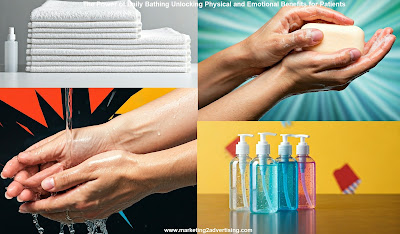
Power-of-Daily-Bathing vv1

The Power of Daily Bathing Unlocking Physical and Emotional Benefits for Patients

Daily bathing is a fundamental practice that transcends mere hygiene, particularly within the realm of patient care. Its significance is underscored by the profound impacts it has on both physical health and emotional well-being. For patients, regardless of their medical conditions, regular bathing serves as an essential component of their daily routine, promoting a sense of dignity and self-worth.

The Power of Daily Bathing Unlocking Physical and Emotional Benefits for Patients

From a physical health perspective, daily bathing assists in maintaining skin integrity, prevents infections, and aids in the overall cleanliness of the patient. The act of cleaning the body removes sweat, bacteria, and dead skin cells, which can be particularly crucial for patients with limited mobility or specific health vulnerabilities. In such situations, thorough hygiene practices help mitigate the risks associated with skin irritations and other potential complications. Furthermore, the process of bathing can stimulate blood circulation, contributing to better physical function and quicker recovery.

On an emotional and psychological level, the importance of daily bathing cannot be overstated. It fosters a sense of routine and normalcy, serving as a small yet impactful way for patients to assert control over their environment. Bathing can evoke positive feelings associated with refreshment and rejuvenation, ultimately enhancing mood and general emotional health. In fact, for individuals dealing with chronic illness or undergoing lengthy treatments, daily bathing can offer a moment of solace, aiding in their coping mechanisms and overall mental well-being.

Thus, daily bathing emerges as a crucial practice that promotes hygiene while simultaneously catering to the broader spectrum of health benefits—both physical and emotional. The integration of this habit into patient care routines is imperative for enhancing the quality of life for patients, prompting further exploration of its multifaceted advantages.

Physical Benefits of Daily Bathing

Daily bathing is an essential practice that significantly contributes to an individual's physical well-being. One of the primary physical benefits of regular bathing is the maintenance of personal hygiene. By cleansing the body daily, individuals effectively remove dirt, oil, and sweat that accumulate on the skin. This process not only prevents unpleasant odors but also reduces the likelihood of developing skin infections caused by pathogens that thrive in unclean environments. For instance, individuals with compromised immune systems or those in healthcare settings can minimize the risk of infections by adhering to strict hygiene practices, including daily bathing.

In addition to hygiene, daily bathing enhances physical comfort. Warm water baths, in particular, help to relax muscles, relieve tension, and alleviate soreness. This aspect is especially beneficial for individuals who may experience chronic pain or muscle stiffness due to various conditions. The soothing properties of warm water can encourage blood circulation, which further enhances comfort and promotes recovery from fatigue. Furthermore, consistent bathing can act as a form of self-care that fosters relaxation, potentially leading to better sleep patterns and overall improved mood.

Another critical advantage of daily bathing is the preservation of skin integrity. Water plays a vital role in maintaining skin hydration, and frequent baths can help keep the skin supple and elastic. Bathing with moisturizing agents can enhance this effect, preventing dryness and irritation. This is particularly relevant for elderly individuals or those with specific skin conditions such as eczema or psoriasis, where skin integrity is crucial. Proper skin care through regular bathing can contribute to a healthier appearance and a sense of well-being, reinforcing the notion that daily hygiene rituals can profoundly impact personal health.

Reducing the Risk of Infection

Daily bathing plays a crucial role in maintaining personal hygiene, particularly for patients who may be more susceptible to infections. The act of bathing effectively removes dirt, sweat, oils, and bacteria that can accumulate on the skin throughout the day. When patients engage in regular bathing, they significantly limit the presence of pathogens on the skin's surface, creating a cleaner environment that is less conducive to the development of infections.

One of the key benefits of bathing is its ability to eliminate harmful microorganisms. During a bath, the skin is not only cleansed of visible impurities but also subjected to the action of warm water, which can help to dislodge bacteria from the skin's surface. Additionally, using antimicrobial soaps or cleansers can further enhance this protective effect by targeting specific germs and reducing their prevalence on the skin. This is especially vital for patients with open wounds or compromised immune systems, where even a minor infection could lead to serious health complications.

Furthermore, regular bathing can promote better overall skin health, which plays a significant role in the body’s defense mechanisms. Healthy skin serves as a barrier against pathogens, and by maintaining its integrity through daily cleansing, patients can bolster their first line of defense against infections. In circumstances where patients are bedridden or have limited mobility, assisted bathing can also help ensure that they maintain this essential aspect of hygiene.

Ultimately, embracing the habit of daily bathing not only enhances personal cleanliness but can also lead to a marked reduction in infection rates. This practice fosters a safer healthcare environment, allowing patients to focus on recovery and wellbeing, rather than addressing preventable medical complications brought about by infection.

Promoting Physical Comfort

Daily bathing plays a significant role in promoting physical comfort, particularly for patients undergoing treatment or recovering from illness. The soothing effects of warm water can provide much-needed relief from pain and tension in the muscles. As warm water envelops the body, it helps to dilate blood vessels, improving circulation and thereby reducing muscle stiffness and soreness. For individuals experiencing chronic pain or discomfort, a warm bath or shower can serve as a therapeutic tool, enhancing overall well-being and supporting the healing process.

Moreover, the act of bathing itself is an opportunity for patients to engage in self-care, which is vital during recovery. Setting aside time each day to enjoy a bath allows individuals to escape the stresses of their medical condition temporarily. This can lead to a decrease in anxiety and promote feelings of relaxation and comfort. The warm water helps to calm the mind by providing a sensory experience that can distract from pain or discomfort, thus contributing to improved emotional health alongside physical benefits.

It is also worth noting that daily bathing can improve sleep quality. Many patients struggle with insomnia or disrupted sleep patterns due to pain or anxiety. Warm baths can prepare the body for restful sleep by raising the body temperature; upon exiting the bath, the sudden drop in temperature signals to the body that it is time to unwind. This can enhance the quality of rest and recovery significantly, illustrating that daily bathing is not merely an act of hygiene but an important component of a holistic approach to patient care.

Maintaining Skin Integrity

Daily bathing plays a crucial role in maintaining skin integrity, which is essential for overall health, especially for patients with limited mobility or chronic conditions. The skin serves as a protective barrier, and its integrity is vital in preventing infections and other complications. Regular bathing aids in the removal of dirt, oils, and dead skin cells, which can accumulate and contribute to skin degradation over time.

When hygiene protocols are upheld through daily bathing, the risk of skin breakdown is significantly reduced. Skin breakdown can lead to pressure ulcers, a common concern for patients who may spend prolonged periods in one position. These ulcers not only cause discomfort but also pose a substantial risk of infection, necessitating more intensive medical treatment. A well-maintained skin surface, supported by routine washing, promotes healing and restores resilience, thus minimizing the chances of complications.

Moreover, daily bathing enhances skin hydration. The use of appropriate cleansers and moisturizers during bathing can replenish and retain moisture, which is essential in protecting the skin from becoming dry and cracked. Cracked skin provides an entry point for pathogens, heightening the risk of infections. By ensuring that the skin is well-hydrated and clean, daily bathing effectively maintains its integrity.

Mobility issues can hinder effective skincare; thus, caregivers or healthcare professionals must ensure that patients receive adequate assistance with daily bathing routines. Adaptations, such as the use of grab bars or shower chairs, can aid in making the bathing process safer and easier. In conclusion, daily bathing is more than a routine; it is a fundamental practice in preserving skin health, preventing complications, and enhancing the quality of life for patients.

Emotional Benefits of Daily Bathing

Daily bathing offers numerous emotional benefits that can significantly enhance the well-being of patients. Engaging in this personal care ritual fosters a sense of routine and stability, which is vital for emotional health. Patients often experience greater feelings of control over their lives when they engage in regular bathing, as it serves as an anchor amidst the uncertainties of their health conditions.

One of the primary emotional advantages of bathing is its positive impact on self-image and self-esteem. Cleanliness is closely linked to feelings of worth and attractiveness; when individuals feel clean and well-groomed, they are more likely to project confidence. This boost in self-image can be particularly empowering for patients who may feel vulnerable or marginalized due to their health issues. A warm bath can create a comforting environment that enables individuals to appreciate their bodies, thus improving their mental state and emotional resilience.

Moreover, daily bathing has been shown to enhance mood and reduce anxiety. The act of bathing can provide a sensory experience that promotes relaxation and tranquility, which helps to alleviate feelings of stress and tension. The warmth of the water, the aroma of soaps or bath oils, and the soothing rhythm of bathing contribute to a calming atmosphere. This sensory stimulation not only enhances relaxation but also encourages a mindful presence, allowing individuals to let go of negative thoughts and focus on their well-being.

In summary, the emotional benefits of daily bathing extend beyond mere hygiene; they play a critical role in influencing self-image, elevating mood, and fostering a sense of control and well-being among patients. Such routine can be viewed not only as a necessity but also as an essential self-care practice that nurtures psychological health.

Boosting Self-Esteem

Daily bathing serves as more than just a hygienic practice; it is a vital ritual that can significantly enhance self-esteem and promote a positive self-image, particularly among patients. The act of bathing is often associated with cleanliness and renewal, which can instill a sense of physical and emotional well-being. Feeling clean and fresh directly influences an individual's mental state, contributing to a more positive outlook on life.

The psychological effects of hygiene cannot be understated. When patients engage in daily bathing, they often experience an increased sense of control over their personal grooming, which can lead to an elevated self-worth. This seemingly simple act empowers individuals, making them feel more capable of tackling daily challenges. A clean appearance, in conjunction with the soothing effects of warm water, can foster a calm mental state that subsequently benefits emotional health.

Furthermore, establishing a daily bathing routine can serve as a form of self-care that emphasizes the importance of one's well-being. For many patients, this intentional time spent on personal hygiene can be a moment of self-reflection and mindfulness. It offers an opportunity to disconnect from stresses and focus solely on oneself, enhancing overall mental clarity and emotional stability. The tactile sensations involved in bathing, such as the feel of warm water and fragrant soap, can also contribute to enhanced mood and a welcomed distraction from discomfort or pain.

Moreover, a positive self-image is crucial for holistic health improvement. As patients begin to feel more confident due to their clean appearance, they are likely to engage more readily in social interactions and day-to-day activities. This renewed sense of self can inspire them to pursue passions or reconnect with loved ones, further emphasizing how daily bathing can influence emotional and psychological well-being. In conclusion, the psychological benefits of bathing extend beyond hygiene, playing a key role in boosting self-esteem and fostering a positive self-image among patients.

Reducing Anxiety and Stress

Daily bathing serves as an effective therapeutic tool for managing anxiety and stress. The warm water enveloping the body creates an immediate sensation of comfort and relaxation, promoting a tranquil state of mind. This soothing effect is deeply rooted in our physiology; when immersed in warm water, the body tends to relax its muscles, which in turn can help alleviate physical tension often associated with stress. Furthermore, the calming ritual of bathing encourages a moment of solitude, providing an opportunity for reflection and mental clarity.

Research suggests that warm baths can stimulate the release of neurotransmitters such as serotonin, which plays a vital role in regulating mood. By fostering a serene environment, daily bathing not only reduces anxiety but also enhances emotional well-being. Incorporating calming elements such as aromatherapy, soft music, or peaceful lighting during this personal time can amplify the effects, allowing individuals to escape daily stressors and immerse themselves in a state of blissful tranquility.

Moreover, the act of bathing can cultivate a mindfulness practice—a crucial component in reducing anxiety levels. Focusing on the sensations of water flowing against the skin or the rhythmic sound of water can ground one’s thoughts, steering attention away from overwhelming worries. This mindful engagement can allow a person to reconnect with themselves and experience a sense of calm amidst the chaos of daily life.

As such, the significance of incorporating a warm bath into one's daily routine should not be underestimated. The emotional benefits gained from this ritual can provide patients with the necessary tools to better cope with anxiety and stress. This simple yet powerful practice thus plays an essential role in fostering mental resilience and contributing to overall well-being.

Promoting a Sense of Control

Daily bathing plays a crucial role in promoting a sense of control and autonomy, particularly for patients facing various health challenges. The act of bathing is not merely a routine related to personal hygiene; it carries significant implications for one's dignity and self-worth. For patients, especially those in care facilities or undergoing treatments, the ability to choose when and how to bathe translates to a restored sense of agency over their bodies and routines.

When patients maintain their hygiene through daily bathing, they engage in a ritual that can reinforce their identity and self-respect. This simple act can instill a sense of normalcy in their lives, often disrupted by illness or surrounding dependencies. By allowing them the choice and opportunity to bathe, healthcare providers facilitate an environment that honors individual preferences and fosters independence. This empowerment is essential as it enables patients to take part in their care process actively, challenging the feeling of helplessness that can accompany medical treatment.

Furthermore, integrating personal hygiene routines such as daily bathing into a patient's care regimen can also promote emotional stability. A warm bath or a refreshing shower serves not only to cleanse but also as a form of self-care that contributes positively to mental well-being. Patients often report feeling revitalized after bathing, which can reduce anxiety and enhance mood. This links back to the psychological impact of having control over personal hygiene—offering a moment of peace and comfort amidst their health struggles.

In essence, regular bathing is a powerful tool that supports the autonomy of patients. It reaffirms their dignity and provides a vital opportunity to engage actively in self-care. Approaching daily bathing as a significant aspect of care can help healthcare providers nurture an environment where patients feel valued and empowered.

The Holistic Impact of Daily Bathing

Daily bathing stands as a crucial element in the comprehensive care of patients, merging physical hygiene with emotional support. The numerous benefits associated with this simple yet effective practice underscore its importance. As discussed throughout this article, regular bathing not only fosters physical cleanliness but also significantly contributes to emotional well-being. Patients often experience a sense of renewal and heightened mood following a bath, illustrating the profound psychological benefits that accompany this activity.

Additionally, daily bathing facilitates improved circulation and skin health, while also serving as a moment of tranquility amidst the often-chaotic environment of healthcare settings. By creating a consistent bathing routine, healthcare providers can aid in routine establishment for patients, thereby enhancing their overall quality of life. The integration of daily bathing into patient care routines should not be viewed merely as a matter of hygiene but as a holistic approach to health that prioritizes the physical and emotional dimensions of patient experiences.

Healthcare professionals are encouraged to recognize the value of daily bathing in patient care strategies. By fostering an environment that encourages routines centered around personal hygiene, healthcare providers can take a proactive stance in enhancing both physical health and emotional stability. Consistently prioritizing bathing can lead to improvements in patients' mood, self-esteem, and overall satisfaction with their care. Therefore, adopting a holistic approach that includes daily bathing in patient care could usher in a paradigm shift in how providers view and implement comprehensive wellness strategies.

nursing vv1

The Art of Shaving a Male Patient A Guide to Safety and Comfort

Shaving a male patient is a task that requires a delicate balance of skill, knowledge, and empathy. The act of shaving is not merely a routine grooming practice; it can have profound implications for a patient's comfort, dignity, and overall well-being. For medical professionals, caregivers, or anyone involved in the personal care of male patients, understanding the significance of safe and comfortable shaving practices is essential. This process must be approached with great care, as individuals may have varying levels of sensitivity and skin conditions that can affect their experience.

The Art of Shaving a Male Patient A Guide to Safety and Comfort

The objective of this guide is to highlight the critical aspects of patient-centric shaving, emphasizing that safety and comfort should always be at the forefront of the procedure. It is vital to consider the patient's physical condition, emotional state, and personal preferences throughout the shaving process. By adopting a compassionate approach, caregivers can create an environment where patients feel respected and valued, allowing for a more positive outcome.

Moreover, attention to safety measures is paramount to prevent potential injuries, such as nicks, cuts, or skin irritations. The tools used need to be sanitized and appropriate for the patient's skin type, ensuring that the shaving experience is as seamless and painless as possible. This entails selecting suitable shaving creams, gels, and aftercare products that are gentle on the skin and minimize the risk of adverse reactions.

Overall, understanding the art of shaving in a healthcare setting underscores the importance of maintaining a focus on the male patient’s comfort and dignity while performing necessary grooming tasks. The following sections will delve deeper into best practices and techniques that enhance safety and create a more dignified shaving experience for male patients.

Understanding the Patient's Routine

When it comes to shaving a male patient, it is essential to acknowledge and respect their unique shaving routine. Each individual has their specific preferences, which may encompass the type of products they typically use, their chosen techniques, and even the frequency of shaving. Acknowledging these preferences not only demonstrates respect for the patient's autonomy but also plays a significant role in enhancing their overall comfort during the process.

Utilizing the patient's preferred shaving products—such as creams, gels, and razors—can significantly alleviate anxiety associated with the procedure. Familiarity with these items allows patients to feel more at ease, as they are accustomed to the scents and sensations associated with their routine. Moreover, traditional methods that patients may regularly employ, such as specific shaving angles or hand movements, should be considered. Adapting to these techniques fosters a sense of control for the patient, enabling them to contribute to their care and maintain dignity during what could be a vulnerable moment.

Beyond comfort, aligning with the patient’s established routine creates a rapport between the caregiver and the patient, encouraging trust and open communication. When patients are engaged in their care process, they are more likely to express concerns or preferences, which can be vital for a positive shaving experience. Furthermore, this alignment highlights the importance of individualization in care practices, ensuring that the patient’s feelings and choices are prioritized. Ultimately, respecting a patient's shaving routine not only enhances safety but also promotes their emotional well-being, contributing to a more successful and pleasant grooming experience.

Importance of Patient Comfort and Dignity

When it comes to personal grooming, particularly shaving a male patient, patient comfort and dignity should always be considered paramount. This process is not merely a physical act but also an emotionally sensitive experience that can significantly impact a patient's psychological wellbeing. Ensuring that a patient feels comfortable throughout the shaving procedure can alleviate anxiety and foster a sense of trust between the caregiver and the patient.

Understanding the emotional aspects associated with personal grooming is essential. For many male patients, shaving can evoke feelings of vulnerability, particularly in a clinical setting where they may already feel exposed or anxious. Painful memories from previous grooming experiences could heighten these feelings, making it all the more critical for healthcare providers to prioritize approaches that respect the patient's dignity. By adopting a respectful and considerate demeanor, caregivers can create a nurturing environment that allows male patients to feel safe and respected, both physically and emotionally.

Moreover, the practices employed during shaving can profoundly influence a patient's self-esteem and body image. When male patients are treated with dignity, the outcome often transcends the act of grooming, reflecting positively on their overall sense of self-worth. This is particularly relevant in settings such as hospitals or long-term care facilities, where patients may already be coping with various challenges. By approaching shaving as an opportunity to affirm the patient's identity and autonomy, healthcare providers can significantly enhance their patient's dignity and overall experience.

In summary, prioritizing patient comfort and dignity during the shaving process is not simply a best practice but a critical aspect of compassionate healthcare. By understanding the emotional components of grooming and respecting patients' dignity, caregivers can facilitate a more positive experience, ultimately contributing to holistic patient care.

Choosing the Right Tools

When it comes to shaving a male patient, the selection of appropriate tools is paramount for both safety and comfort. A clean, sharp razor is essential, as using a dull blade can lead to increased friction, causing skin irritation and potential nicks or cuts. For this reason, it is advisable to choose a high-quality razor, whether it be a straight razor, safety razor, or cartridge razor, that suits the individual patient's needs and preferences. Each type possesses unique characteristics that can impact the shaving experience, making it critical to understand their differences before making a selection.

Furthermore, the choice of shaving cream or gel plays a significant role in achieving a smooth shave. A moisturizing product designed specifically for sensitive skin not only aids in reducing friction but also softens facial hair, making it easier to achieve a close shave. Ingredients such as aloe vera or shea butter can provide additional hydration and calming effects, which are particularly beneficial for patients with sensitive skin. It's advisable to avoid products containing strong fragrances or irritants, as these can exacerbate discomfort during the shaving process.

In addition to the razor and shaving cream, it is essential to have clean tools readily available, including a brush for lathering, a bowl, and a clean cloth or towel for wiping excess product. Ensuring that all tools are properly sanitized prior to use can significantly reduce the risk of infection and promote a safer overall experience. By preparing the right tools and utilizing familiar, consistent products, caregivers can help enhance the comfort and safety of the shaving process, allowing for a more favorable outcome for the patient.

Best Practices for Shaving Technique

When it comes to shaving a male patient, employing the best practices for shaving technique is of utmost importance, as it contributes to both safety and comfort. One of the fundamental guidelines is to shave in the direction of hair growth. This technique minimizes the chances of skin irritation and reduces the risk of ingrown hairs, which can be a common concern for individuals with curly hair or sensitive skin. Following the hair growth pattern not only enhances the comfort of the shave but also ensures a smoother finish.

Additionally, it is essential to be mindful of sensitive areas of the face, such as the neck and jawline, where skin tends to be thinner and more prone to nicks. For these areas, a lighter touch and careful maneuvering of the razor can prevent cuts and abrasions. Engaging the patient in conversation can also help, as their feedback may guide adjustments in technique to suit their specific comfort levels. Understanding the unique sensitivities of each individual is key to delivering a positive shaving experience.

Moreover, ensuring adequate skin lubrication prior to shaving is crucial. Utilizing a high-quality shaving cream or gel reduces friction between the razor and the skin, allowing for a closer shave while protecting the skin from potential harm. Applying warm water to soften the hair and opens the pores can enhance the effectiveness of the lubrication as well. Likewise, using a pre-shave oil can offer an additional layer of protection, particularly for those with particularly coarse or thick facial hair. In summary, by focusing on these best practices, healthcare professionals can provide a more comfortable and safe shaving experience for male patients, significantly minimizing the risk of discomfort and skin issues.

Handling Sensitive Areas with Care

When it comes to shaving a male patient, particular attention must be afforded to sensitive areas such as the neck, jawline, and eyebrows. These regions of the face are prone to nicks and irritation, necessitating a cautious and deliberate approach. Understanding the anatomy of these sensitive areas and employing appropriate techniques can greatly enhance both safety and comfort during the shaving process.

Firstly, one should always ensure that the skin is properly prepped to minimize discomfort and reduce the likelihood of skin issues. This involves cleansing the area thoroughly to remove dirt and oils, followed by the application of a warm, damp cloth to soften the hair and open up the pores. Using a high-quality shaving cream or gel that is suited for sensitive skin can also provide an additional layer of protection, paving the way for a smoother shave.

When approaching the neck and jawline, it is advisable to use minimal pressure while being mindful of the natural contours of the face. Shaving in the direction of hair growth can significantly decrease the chance of irritation. Utilizing a sharp, clean razor is essential, as a dull blade can tug at the skin and lead to nicks. For extra precaution, one may consider using a razor with multiple blades which can help in achieving a closer shave without the need for excessive pressure.

As for the eyebrows, precision is crucial. Employing an eyebrow razor or trimmer designed specifically for this delicate area could minimize the risk of cuts. Maintaining a steady hand and positioning the razor at a slight angle can provide better control and accuracy. Additionally, periodic assessment of the shaving progress is advised to ensure that the desired shape is being achieved without compromising safety.

In summary, a careful and methodical approach to shaving sensitive areas not only prioritizes the patient’s comfort but also significantly reduces the risk of injury. By adhering to these techniques and utilizing appropriate tools, the experience can be both safe and effective.

Minimizing Skin Irritations

Shaving can often lead to various skin irritations, such as razor burn, ingrown hairs, and cuts. To ensure the safety and comfort of the male patient, it is essential to adopt effective strategies that minimize these issues. One of the most crucial preventative measures is to ensure that the skin is properly hydrated before starting the shaving process. Utilizing warm water to soften the facial hair and open the pores can significantly reduce the risk of irritation.

Additionally, the use of a quality shaving cream or gel can create a protective barrier between the razor and the skin. Products that contain soothing ingredients, such as aloe vera or chamomile, can further decrease the likelihood of developing razor burn. It is advisable to choose a cream specifically designed for sensitive skin, as these formulas often contain fewer irritants. The shaving apparatus employed should also be of high quality; using a sharp blade minimizes the effort needed to cut through the hair, which reduces tugging and irritation.

After shaving, it is paramount to employ a proper aftercare routine. Applying a soothing aftershave balm that is alcohol-free can help diminish redness and provide moisture to the skin, aiding recovery. In cases where irritations occur despite these precautions, immediate remedies such as cold compresses can alleviate discomfort. For persistent issues like ingrown hairs, techniques such as gentle exfoliation and the use of a salicylic acid treatment can offer relief.

Ultimately, maintaining skin health during the shaving process is achievable through a combination of effective preparation, high-quality products, and post-shave care. By implementing these strategies, professionals can significantly reduce the incidence of shaving-related skin irritations for their male patients.

Post-Shaving Care

Post-shaving care is an integral aspect of maintaining skin health and comfort following the shaving process. Proper aftercare not only aids in soothing the skin but also significantly reduces the risk of complications such as irritation, razor burn, and ingrown hairs. To provide optimal care, it is essential to follow a few recommended steps and utilize suitable products.

Firstly, after the shaving is complete, gently rinse the face with cool water to close the pores and remove any residual shaving cream. Following this, it is beneficial to apply a soothing aftershave product, which often contains ingredients designed to calm the skin. Look for aftershaves that incorporate natural components like aloe vera, witch hazel, or chamomile, as these can help reduce inflammation and redness while providing hydration.

In addition to aftershaves, incorporating a post-shave skincare routine can enhance skin health significantly. Using a gentle exfoliating scrub a few times a week can prevent dead skin buildup, thus minimizing the chance of ingrown hairs. It is also advisable to moisturize daily with a non-comedogenic moisturizer, as this will help keep the skin hydrated and reduce the risk of dryness that can occur after shaving.

Additionally, it is crucial to be aware of potential complications that may arise post-shaving. Users should monitor for signs of irritation, such as persistent redness, swelling, or intense discomfort. In cases where symptoms persist or worsen, it is advisable to consult a healthcare professional to address any underlying issues. By following these guidelines for post-shaving care, patients can enjoy a smoother, more comfortable skin experience and enhance their overall grooming routine.

Shaving a male patient is not merely a routine task; it is an art that requires care, compassion, and an acute attention to detail. Throughout this guide, we have explored the various aspects of this practice, emphasizing the significance of creating a safe and comfortable environment for the patient. Each step, from preparing the skin to selecting the right tools, plays a crucial role in ensuring a successful outcome.

First and foremost, proper preparation of the skin is vital in preventing irritations and ensuring a smooth shave. Understanding the individual's skin type and addressing any specific concerns is essential. Using quality shaving products tailored to the patient's needs not only enhances comfort but also demonstrates respect for the individual’s unique skin condition. It is imperative to remember that a one-size-fits-all approach may not work, hence any products used should be chosen carefully.

Furthermore, the technique employed during the shaving process significantly impacts the patient's experience. Gentle handling, proper blade angles, and consistent pressure all contribute to a more pleasant procedure. Establishing clear communication with the patient can also alleviate anxiety, reinforcing a sense of care and respect. A patient who feels valued is more likely to experience a positive outcome.

Ultimately, the goal of shaving a male patient is to provide a service that prioritizes their comfort and dignity. By integrating the insights shared in this guide, healthcare professionals can enhance their approach, ensuring that each shaving session is executed with sensitivity and expertise. In acknowledging and adapting to the individual needs and preferences of each patient, practitioners can uphold the highest standards of care and professionalism.

nursing vv1

The Importance of Evening Hygiene Care Promoting Relaxation and Restful Sleep

Evening hygiene care is an essential component of overall health and wellness, particularly in healthcare settings such as hospitals or long-term care facilities. This practice involves a set of routines aimed at maintaining personal cleanliness, which can significantly influence both physical and emotional well-being. The importance of evening hygiene routines is multifaceted; they promote relaxation after a long day, encourage restful sleep, and contribute to a sense of dignity and respect for individuals receiving care.

The Importance of Evening Hygiene Care Promoting Relaxation and Restful Sleep

Patients often experience a range of emotions during their stay in healthcare facilities, and a well-structured evening hygiene routine can mitigate feelings of anxiety and stress. Engaging in familiar and comforting activities, such as bathing, oral care, and changing into clean sleepwear, helps create a calming environment. This transition from daytime activities to a restful state prepares the body and mind for sleep, which is critical for recovery and overall health.

Moreover, evening hygiene care is not merely a procedural task; it has significant positive implications for a patient's emotional and mental health. When healthcare professionals invest time in personalized evening routines, they also foster relationships marked by trust and compassion. This aspect of care highlights the emotional bond that can develop between caregivers and patients, boosting feelings of security and comfort during vulnerable times.

Overall, implementing evening hygiene practices can be transformative in healthcare settings. They address both the physical aspects of hygiene and the emotional needs of patients, laying the groundwork for a peaceful night's sleep and enhancing recovery experiences. As this blog post progresses, we will explore the various benefits associated with evening hygiene care and its implications for patient well-being.

Understanding Evening Hygiene Care

Evening hygiene care encompasses a variety of activities aimed at promoting personal cleanliness and comfort as one prepares for rest. This routine is vital not only for physical health but also for mental well-being, creating a soothing transition from the activities of the day to the serenity of night. Evening hygiene typically includes bathing or showering, changing into clean, comfortable clothing, and engaging in relaxation techniques to prepare both the body and mind for sleep.

Bathing serves as one of the cornerstones of evening hygiene care. The act of cleansing the body helps remove accumulated dirt, sweat, and impurities, while also serving to relax tired muscles. A warm bath or shower can stimulate blood circulation and provide a soothing sensation that alerts the brain that it is time to wind down. Moreover, products like calming body washes or bath oils with soothing scents contribute to creating a tranquil ambiance, further aiding the transition to relaxation.

Following the physical cleansing, dressing in comfortable clothing is equally important. Opting for loose-fitting pajamas made of breathable materials can enhance one's comfort level, signaling to the body that it is time to rest. Choosing sleepwear that is conducive to a good night's sleep can positively impact the quality of slumber, allowing for uninterrupted rest. This simple yet effective step emphasizes personal care and comfort as essential components of evening hygiene.

Finally, integrating activities such as reading, meditating, or practicing gentle yoga can further enhance one's evening hygiene routine. These activities stimulate relaxation, contributing to a peaceful mindset conducive to sleep. By prioritizing evening hygiene care, individuals can take essential steps toward improving their overall well-being, facilitating restorative rest, and ensuring a more refreshing start to the following day.

Benefits of Evening Hygiene Care

Evening hygiene care is a vital component of daily routines that offers numerous advantages, especially in promoting relaxation and enhancing the quality of sleep. One of the primary benefits of a structured evening hygiene routine is its role in creating a calming environment that encourages the body and mind to unwind. Engaging in activities such as bathing, brushing teeth, and skincare not only fosters cleanliness but also lends itself to a serene atmosphere conducive to relaxation. For many individuals, these rituals are a signal to transition into nighttime, prompting physical and mental preparation for rest.

Moreover, evening hygiene care significantly improves sleep quality. Research indicates that a consistent nighttime routine can aid in regulating the body's internal clock, known as the circadian rhythm. By incorporating specific hygiene practices before bedtime, individuals may experience reduced levels of anxiety and heightened feelings of comfort, ultimately leading to deeper and more restorative sleep. The subtle act of cleansing the body can alleviate stress accumulated throughout the day, which is essential for achieving restful sleep.

In addition to the psychological and physiological benefits, evening hygiene care also enhances an individual’s dignity, particularly in healthcare settings. For patients who may struggle with their mobility or daily self-care, engaging in evening hygiene routines can encourage a sense of independence and self-worth. Caregivers who assist in these rituals promote the dignity of their patients by recognizing the importance of maintaining personal hygiene. The act of facilitating evening hygiene care fosters a respectful and compassionate environment where individuals retain their sense of identity and autonomy.

Ultimately, the holistic impact of evening hygiene care extends beyond mere cleanliness; it embodies a comprehensive approach to promoting mental well-being, quality sleep, and personal dignity.

Promotes Relaxation

In today's fast-paced world, establishing an evening hygiene routine is increasingly recognized as an essential practice for promoting relaxation and enhancing overall well-being. Evening hygiene care involves a series of activities, which, when consistently performed, can have a profound effect on both the mind and body. One of the most effective ways to achieve this state of relaxation is through activities such as warm baths and gentle grooming. The soothing nature of warm water can ease muscle tension, promote better circulation, and create a calming atmosphere that prepares the body for rest. As the warmth envelops you, it encourages a sense of tranquility, helping to release the stresses accumulated throughout the day.

Moreover, personal grooming activities, such as skincare routines or hair care, can serve as a self-care ritual. Engaging in these gentle practices allows for internal reflection, providing a moment to unwind and observe one's thoughts. This mindful engagement not only caters to physical cleanliness but also facilitates a psychological release, enabling a clearer mindset before sleep. Simple practices such as these signal to the body that it is time to transition into a relaxed state, ultimately contributing to a more peaceful and restorative night’s sleep.

The psychological effects of relaxation extend beyond mere physical comfort. When the body is relaxed, the mind also enjoys the benefits of reduced anxiety and improved mood. This harmonious balance cultivates a tranquil environment that aids in falling asleep more easily and achieving deeper, uninterrupted rest. It is beneficial to understand that prioritizing evening hygiene care is not merely an exercise in cleanliness, but a powerful tool that significantly contributes to one's overall health. By fostering a routine that emphasizes both physical and mental relaxation, individuals can pave the way for restorative sleep and enhanced day-to-day functioning.

Improves Sleep Quality

The quality of sleep is a crucial element of overall health and well-being, and evening hygiene care plays a significant role in enhancing it. Establishing a consistent hygiene routine before bedtime can help signal to the body that it is time to wind down and prepare for restorative sleep. This routine often includes practices such as taking a warm shower or bath, brushing teeth, and changing into clean, comfortable sleepwear, all of which contribute to a sense of cleanliness and relaxation.

A clean sleeping environment is equally important for promoting restful sleep. Bedding that is fresh and free of allergens creates a conducive atmosphere for sleep. Ensuring that the bedroom is tidy and calming can reduce distractions and foster a sense of serenity. Eliminating clutter and ensuring optimal room temperature can further enhance comfort, making it easier for an individual to fall asleep.

Moreover, engaging in evening hygiene care allows for self-reflection and mindfulness before turning in for the night. Taking the time for personal care rituals can promote relaxation by reducing stress and anxiety, which are often barriers to a good night's sleep. This shift in mindset, combined with physical cleanliness, can enhance the quality of sleep, ultimately aiding in the body's recovery processes. A well-structured evening routine that incorporates hygiene practices prepares both the mind and body for rest, facilitating deeper and more restorative sleep cycles.

In conclusion, prioritizing evening hygiene care not only promotes a cleaner and healthier environment but also fosters improved sleep quality, which is paramount for overall health. By focusing on these practices, individuals can pave the way for enhanced physical and mental well-being, supporting a peaceful transition into sleep.

Enhances Patient Dignity

Evening hygiene care plays a pivotal role in enhancing patient dignity, especially for individuals who may require assistance in their daily routines. The act of maintaining personal hygiene is not merely a physical necessity; it is also deeply intertwined with personal identity and self-respect. Ensuring that patients retain dignity during this process is essential, as it fosters a sense of empowerment and control over their own lives.

Incorporating patient autonomy into evening hygiene routines is crucial. Healthcare providers should actively involve patients in decision-making, enabling them to express their preferences on how they wish to be cared for. This collaborative approach helps patients feel more in control, diminishing feelings of helplessness that can often accompany illness or disability. When patients are encouraged to participate in their hygiene care, it reinforces their self-worth and nurtures their sense of independence.

Moreover, active participation in personal hygiene routines, such as choosing the products used or the manner in which care is delivered, can significantly improve a patient’s overall mental well-being. For many individuals, these choices are expressions of their personality and preferences, which may be overlooked in a more clinical care setting. Consequently, when patients are allowed to take charge of their evening hygiene care, it not only respects their dignity but also promotes a more person-centered approach to healthcare.

Furthermore, by prioritizing hygiene care that respects personal choice and promotes engagement, healthcare providers can create an environment that values dignity. This practice not only encourages self-care but also aligns with the fundamental principles of compassion and respect in nursing and caregiving. The acknowledgment of one’s autonomy in evening hygiene care is a crucial step towards fostering an atmosphere where patient dignity is not simply recognized but actively preserved.

Tips for Effective Evening Hygiene Care

Implementing effective evening hygiene care is essential for promoting relaxation and facilitating restful sleep. This process begins with actively involving patients in their own care. Encouraging patients to participate in their hygiene routine not only fosters a sense of autonomy but also enhances their overall well-being. Providers should engage patients in a conversation about their preferences, allowing them to choose products such as soaps, lotions, or scents that they find soothing. Tailoring evening hygiene care to the individual needs of patients can lead to higher satisfaction and adherence to routines.

Creating a calming environment plays a significant role in the effectiveness of evening hygiene care. Consider dimming the lights and utilizing soft music or natural sounds to establish a serene atmosphere. Aromatherapy, using calming essential oils or scented candles, can further enhance relaxation and encourage a restful mindset. Additionally, maintaining a clean and organized space is vital; clutter can heighten stress levels, detracting from the soothing experience intended during these evening rituals. It is also beneficial to ensure that all necessary supplies for the hygiene routine are readily available, minimizing disruptions that may interrupt the flow of care.

Prioritizing patient comfort is crucial in ensuring the effectiveness of the evening hygiene routine. This involves accommodating any mobility limitations and providing assistance as required. Offering comfortable seating or allowing patients to choose a temperature they find suitable can make a significant difference in their evening experience. Furthermore, it is advisable to assess the patient’s skin condition and adapt the use of specific products accordingly to prevent irritation or discomfort. When providers listen and respond to the needs of patients, they create a more pleasant and effective hygiene routine that promotes relaxation and ultimately supports restful sleep.

Challenges in Evening Hygiene Care

Evening hygiene care is a crucial component of daily routines that promotes relaxation and restful sleep; however, the implementation of such practices can be fraught with challenges. One of the primary barriers is time constraints. In many healthcare settings, staff often face tight schedules that limit the opportunity to engage in thorough hygiene care. This can be particularly evident in nursing homes or hospitals where personnel are tasked with multiple responsibilities, potentially leading to the neglect of evening routines that significantly enhance patient well-being.

Another significant challenge is patient mobility issues. Individuals with limited mobility or those suffering from illnesses may find it difficult to participate in their evening hygiene routines, which can result in inadequate care being provided. The difficulty may prevent patients from accessing personal care items or hinder their ability to perform tasks independently. This not only affects hygiene practices but can also contribute to feelings of discomfort and anxiety, negatively impacting their overall sleep quality.

Staff training is also crucial in addressing the challenges associated with evening hygiene care. Often, care providers may lack the necessary skills or understanding required to assist patients effectively. Inadequate training can lead to uncertainty in handling various hygiene needs, potentially resulting in care that falls short of promoting relaxation or fostering a restful environment.

To overcome these barriers, facilities should consider implementing structured training programs aimed at enhancing staff competence in evening hygiene care practices. Additionally, fostering a culture that prioritizes personal hygiene as essential to comfort and relaxation can motivate staff to invest time in these routines, despite their busy schedules. Finally, utilizing tools such as assistive devices can enhance patient mobility, making evening hygiene practices more accessible. Through addressing these challenges, healthcare providers can help ensure that evening hygiene care remains a priority, consequently promoting better overall health for patients.

Evening hygiene care is a critical component of overall health and wellness, particularly in promoting relaxation and facilitating restful sleep. The practice of maintaining personal hygiene at night not only contributes to physical cleanliness but also plays a significant role in enhancing emotional well-being. When individuals engage in evening hygiene routines, they create an environment conducive to tranquility, paving the way for a peaceful night’s rest.

In healthcare settings, prioritizing evening hygiene care is vital for maintaining the dignity of patients. It is essential for caregivers to recognize that this aspect of care is not merely about physical cleanliness but also involves emotional support and respect for each individual’s needs and preferences. By implementing best practices for evening hygiene, healthcare providers can foster an atmosphere that promotes relaxation, which in turn aids in improving sleep quality. This holistic approach ensures that patients feel valued and comfortable, thereby enhancing their overall experience within the healthcare system.

Furthermore, adopting comprehensive evening hygiene routines can help mitigate sleep disturbances, leading to numerous health benefits. Good sleep hygiene is crucial because it not only affects mental clarity and cognitive function but also plays an important role in physical recovery and immune system function. As outlined throughout this blog post, the significance of fostering proper evening hygiene care should not be underestimated. It is an integral element that healthcare providers can employ to enrich patient care, strengthen relationships, and enhance the quality of life for those they serve.

In light of the evidence supporting the advantages of evening hygiene practices, it is vital for all stakeholders in the healthcare field to prioritize this aspect of care. Ultimately, creating an environment that emphasizes evening hygiene promotes relaxation, ensures restful sleep, and maintains the dignity of every patient.

Loading ... ⏳

🔥 💳 Credit Cards | 🏦 Loans & Insurance | 💰 Investment & Forex | 💻 Web Hosting & Domains | 📱 SaaS Tools & Software | ⚖️ Legal Services

🔥 💳 Best Loan Apps | 💻 Money Online | 🎓 Jobs Abroad | 🏠 Real Estate | 📱 Paying Apps

Need fast money? These apps offer instant loans without security 🚀.

  • Branch – Fast loans in Africa 🌍
  • Dave – USA cash advance 🇺🇸
  • Yolt – Europe finance tool 🇪🇺
💡 TIP: Avoid high-interest loans! Luganda: Weekenneenya nnyo before okutwala loan!

👉 Français: Obtenez un prêt sans garantie rapidement.
👉 हिंदी: बिना गारंटी लोन लेना आसान हो गया है।


    Sell skills on Fiverr, Upwork. Earn globally 🌎.

    Start a blog + AdSense = passive income 💸

    Short videos can make thousands monthly!

    ⚡ PRO TIP: Focus on ONE skill first — not everything!

    👉 हिंदी: एक स्किल पर फोकस करें।
    👉 Français: Concentrez-vous sur une seule chose.


    • 🇨🇦 Canada – Work & study
    • 🇩🇪 Germany – Free education
    • 🇺🇸 USA – Remote jobs
    🌍 TIP: Apply early! Luganda: Tokoma kulinda nnyo!

    Real estate is one of the safest ways to grow wealth 📈.

    • Buy land early
    • Rental income
    • Airbnb business
    🏡 SMART TIP: Location determines profit

    • Earn​app - THIS IS THE BEAST we've used so far Get Paid for Your Internet
    • repocket- our second most used
    • Swagbucks
    • Honeygain
    • TikTok
    • Foap
    🔥 HOT TIP: Use multiple apps to increase income!

🚀 Final Thoughts

💰. Stay consistent and keep learning. Obugagga bujja mpola mpola 💪

👉 Français: Le succès prend du temps.
👉 हिंदी: सफलता मेहनत से मिलती है।

Home | Contact | Privacy | Disclosure | Terms

© paypalads. All rights reserved.

Preview (10s)
AD
This site uses cookies to improve experience and show relevant ads.